Your company has grown.Who is leading its technology?
When your vendor makes more decisions than your leadership team does, projects stall, the technology budget turns into a black box, and no one can say for certain what would happen after a serious outage — the problem isn't a lack of IT.
It's a lack of technology leadership.
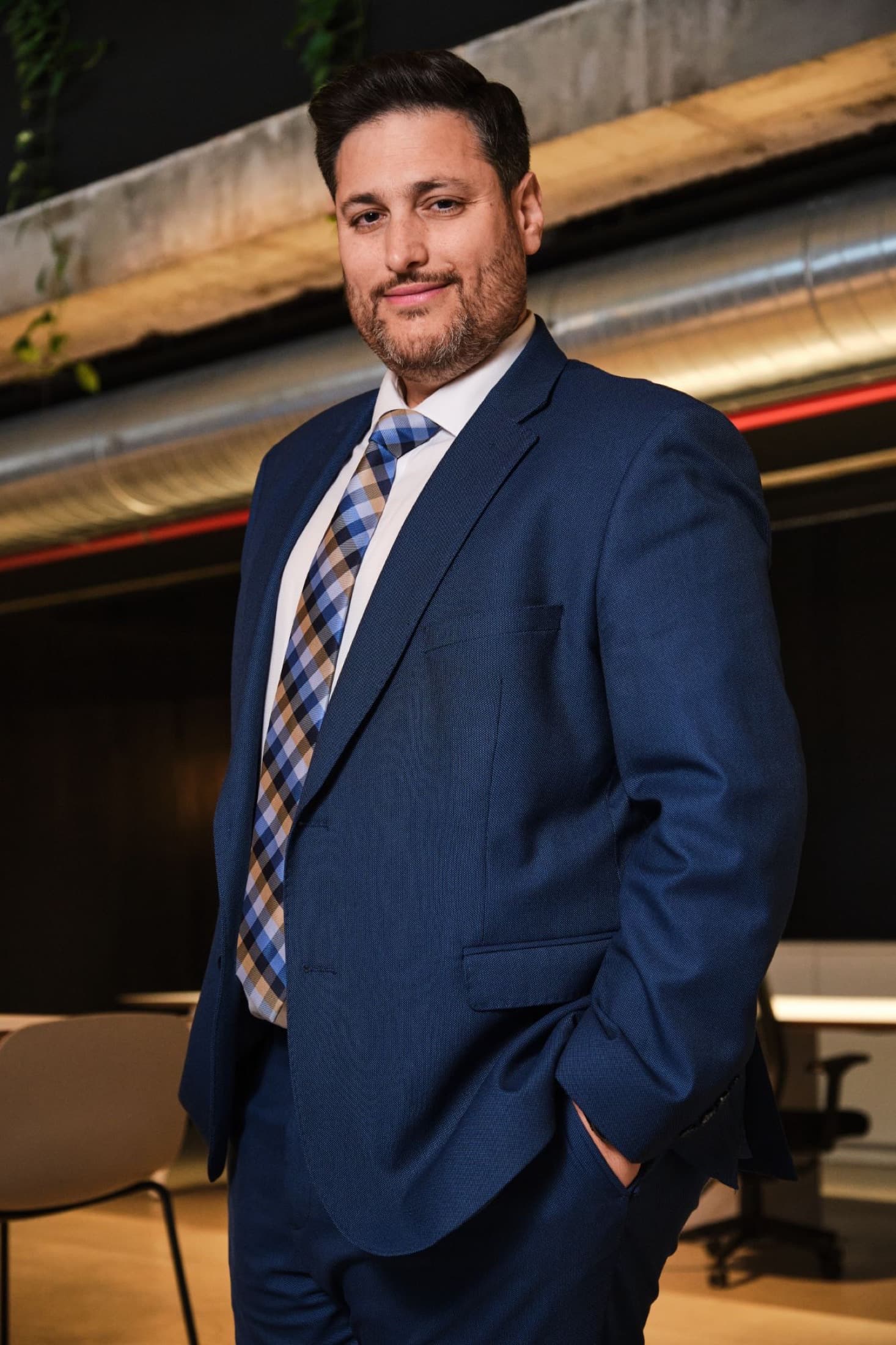
I'm Iván Pinés. I work alongside CEOs, CFOs and leadership teams to regain control of technology, reduce risk, and turn IT into a real driver of the business.
No-commitment first conversation · Complete confidentiality · No generic sales pitch
20+ years leading technology, vendors and projects for companies with mission-critical operations, multiple locations and fast growth.
Technology doesn't fail on its own.It fails when nobody is steering it.
Vendors & budget
- You depend entirely on your IT vendor, with no independent second opinion.
- There's no consolidated view of the technology budget.
- Access credentials, contracts and technical documentation are scattered or held by third parties.
Risk & cybersecurity
- Cybersecurity is a patchwork of disconnected tools, not a real strategy.
- Backups exist, but no one has seriously tested whether the company could actually recover.
Projects & business
- Projects start, but rarely finish with a clear deadline, budget and owner.
- You have technicians or vendors, but no one connecting their decisions to business goals.
- Your ERP, CRM or Microsoft 365 “work,” but you're only using a fraction of what they can do.
- You want to bring in AI, but without funding projects that never pay off.
- Technology only comes up at the leadership table when something breaks.
You don't necessarily need to replace your team or your vendors. You need someone to direct them, coordinate them, and represent your company's interests.
External technology leadership, without a full-time CIO
I act as your company's Fractional CIO.
I sit alongside leadership to assess the situation, set priorities, control the budget, govern vendors, and steer the technology projects that actually affect the business.
I'm not here to replace your technician, your integrator or your support provider. Each of them should keep doing their job well.
My job is to get everyone working under one strategy, with the company always in control.
Areas of Work
Technology Strategy & Governance
Setting objectives, priorities, architecture, policies, ownership and KPIs.
Financial Control
A consolidated technology budget, with analysis of contracts, invoices, licences, services and expected return.
Vendor Governance
Evaluation, selection, negotiation, SLA tracking, coordination and accountability.
Cybersecurity & Business Continuity
Risk management, identity, access, protection, backups, recovery and business continuity.
Projects & Transformation
ERP, CRM, cloud, Microsoft 365, SharePoint, automation, communications and technology modernisation.
Applied AI for Business
Identifying automatable processes and use cases with measurable return, once the technology foundation is in order.

I'm not another IT vendor
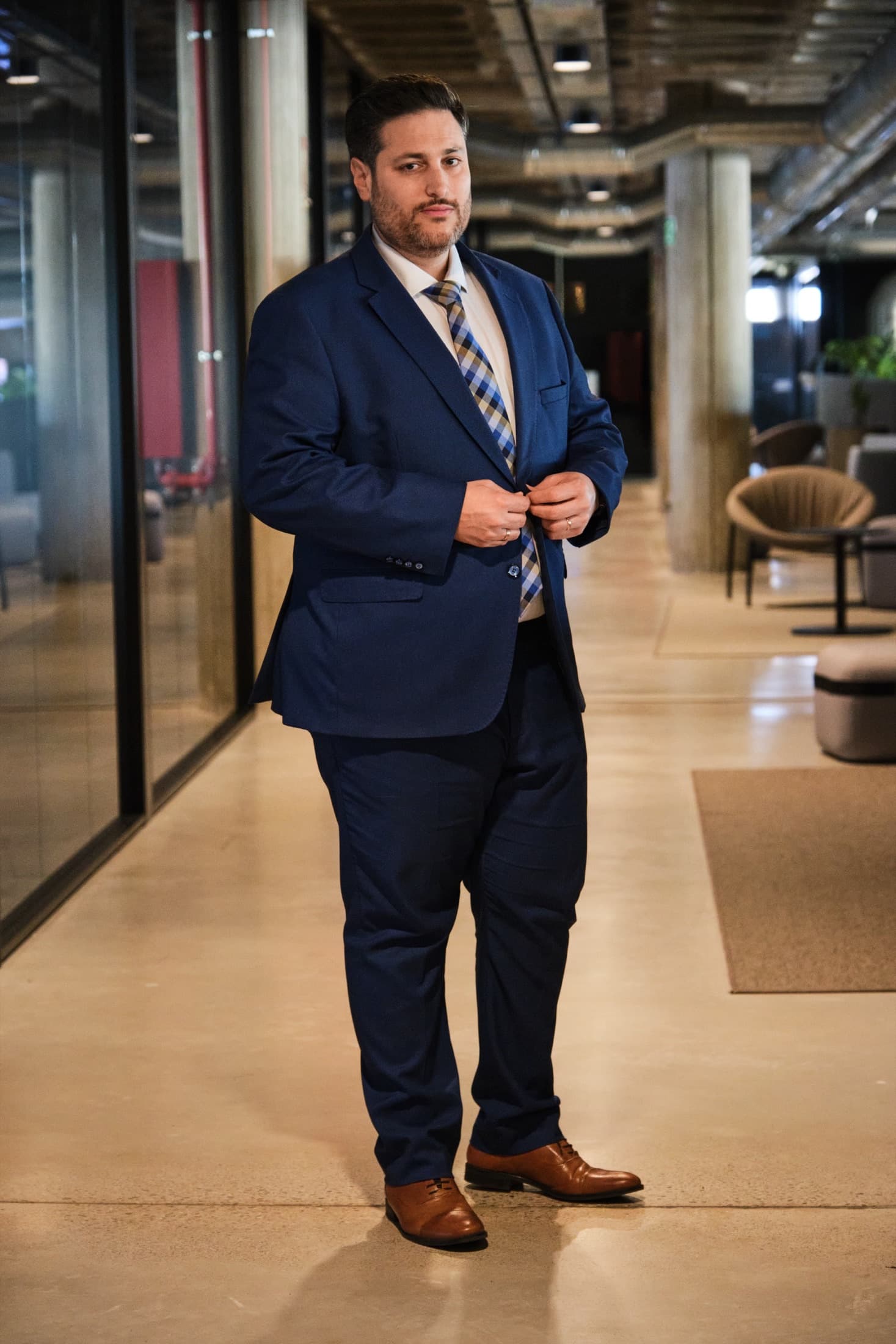
I'm Iván Pinés, a Fractional CIO for growing companies.
Over more than 20 years I've founded, run and grown technology businesses and services, particularly in retail, distributed operations, security, communications and national support.
I've supported growth from a handful of locations to hundreds of them, directed vendors, rolled out mission-critical infrastructure, and turned around projects that had lost direction, deadlines or ownership.
That experience taught me something essential:
Technology only has value when it supports the real business, reduces risk, and helps the company move forward.
Today I work from an independent position alongside leadership. My recommendations are never tied to selling a licence, a vendor or a specific piece of infrastructure.
I assess what the business actually needs, represent its interests, and then coordinate the specialists who execute it.
I'm also involved in my own applied AI and automation projects. That's why I approach AI from a practical standpoint:
You govern the technology first; then you automate what can actually deliver a real result.
At a Glance
- 20+ years of technology and business experience.
- Nationwide operations and services leadership.
- Experience across retail, professional services firms, family offices and operationally-driven businesses.
- Governance of projects, vendors, security, cloud, ERP and Microsoft 365.
- A business lens, not just a technical one.
- Independence from vendors and manufacturers.
What should be different 12 months from now
Control
The company knows its systems, contracts, access, costs, owners and risks.
Clear Priorities
Every technology initiative maps to a real business need, with a timeline, budget and owner.
Vendors Held Accountable
Vendors report, meet commitments, and work to standards the company sets.
Lower Operational Risk
Real cybersecurity measures, verified backups, and a workable recovery plan.
A Well-Managed Budget
Leadership knows what it's spending, why, and what return or protection it gets.
Projects That Actually Finish
Migrations, rollouts and changes stop sitting indefinitely “almost done.”
Technology Ready to Scale
Infrastructure, processes and applications can support new locations, users, services or acquisitions.
Automation That Makes Sense
AI and automation applied to specific processes, with measurable goals and KPIs.
From assessment to continuous improvement
360° Technology Assessment
I review:
- business strategy and needs
- infrastructure and applications
- cybersecurity
- continuity and recovery
- vendors and contracts
- budget and licensing
- access and documentation
- projects in progress
- organisation and ownership
- improvement and automation opportunities
Outcome of Phase 1
- current state
- key risks
- critical dependencies
- immediate opportunities
- maturity level
- recommended priorities
Technology Roadmap
I turn the assessment into a 12–24 month roadmap with:
- prioritised initiatives
- quick wins
- owners
- timeline
- budget estimate
- dependencies
- tracking metrics
Stabilisation & Regaining Control
The most important risks and dependencies get resolved first:
- access
- documentation
- backups
- continuity
- baseline security
- contracts
- licensing
- structural issues
- stalled projects
Optimisation & Transformation
Once the foundation is under control, we work on:
- cloud
- ERP and CRM
- Microsoft 365
- SharePoint
- automation
- artificial intelligence
- data integration
- productivity
- new operating models
Ongoing Governance
Leadership gets regular visibility through:
- a technology steering committee
- an executive report
- project status
- budget control
- vendor evaluation
- a risk map
- pending decisions
Your technicians and vendors stay in place. The difference is that everyone now works under one shared direction.
Regain control. Decide with judgement. Follow through on execution.
Genuine Independence
My decisions are never tied to selling a specific product or service. My client is the company, and my job is to defend its interests.
Board-Level Vision, Technical Depth
I can talk to the board about risk, investment and growth — and then get into the detail with vendors, technicians and integrators.
Accountable Start to Finish
I don't just make recommendations. I prioritise, coordinate, track, unblock and report until initiatives actually move forward.
Is this a fit for your company?
It's a strong fit if…
- You're growing — opening new locations, acquiring companies, or professionalising how the business runs.
- You rely on several technology vendors.
- You have in-house technicians, but no one providing technology direction.
- Leadership feels it doesn't have enough visibility into IT.
- There are important projects that are stalled, delayed, or without a clear owner.
- Technology is starting to feel like a risk or a drag on the business.
- You need an independent perspective before making major investments.
It's not a fit if…
- You're only looking for IT support or equipment repairs.
- You just need a developer or a systems administrator.
- Leadership isn't willing to change how technology decisions get made.
- Technology isn't yet complex or critical enough to justify ongoing leadership.
Typical Sectors
- Retail and multi-location businesses.
- Accounting firms, advisory practices and professional services firms.
- Family offices, holding companies and wealth management firms.
- Operationally-driven service businesses.
- Industrial and distribution companies.
- Organisations going through growth or transformation.
Experience applied to real situations

Case 1 — Retail Growth
Supported the technology side of an expansion from a handful of stores to hundreds of them, making sure communications, support, security and infrastructure kept pace with every new opening.
Case 2 — Regaining Technology Control
Centralised access, contracts, licensing, documentation and ownership that had been scattered across multiple vendors and people.
Case 3 — A Stalled Enterprise Project
Turned around a technology project that had been running more than a year behind schedule, with a new roadmap, named owners, milestones and executive tracking.
Case 4 — Security & Continuity
Reviewed risk, protection architecture, backups and recovery capability for organisations with multiple locations and mission-critical systems.
Case 5 — Modernisation & Cloud
Defined and governed migration projects across Microsoft 365, SharePoint, Azure, ERP and process improvement.
For confidentiality reasons, some names and details aren't published. Full references are available on request during the sales process.
Before you invest more, find out what you actually have
- where the main risks are
- what dependencies exist
- what spend could be optimised
- which projects should be prioritised
- whether current vendors are actually delivering
- how mature the organisation is
- what should happen over the next 12–24 months
Scope, terms and timeline are defined after an initial fit conversation.
Sample Deliverables
- Executive summary for leadership.
- Current-state map.
- Critical risks and dependencies.
- Vendor and governance evaluation.
- Continuity and recovery review.
- Preliminary technology spend analysis.
- Quick-wins list.
- Prioritised roadmap.
- Proposed governance model.
Before you ask
You don't need to hire a full-time CIO.You need technology leadership when decisions actually matter.
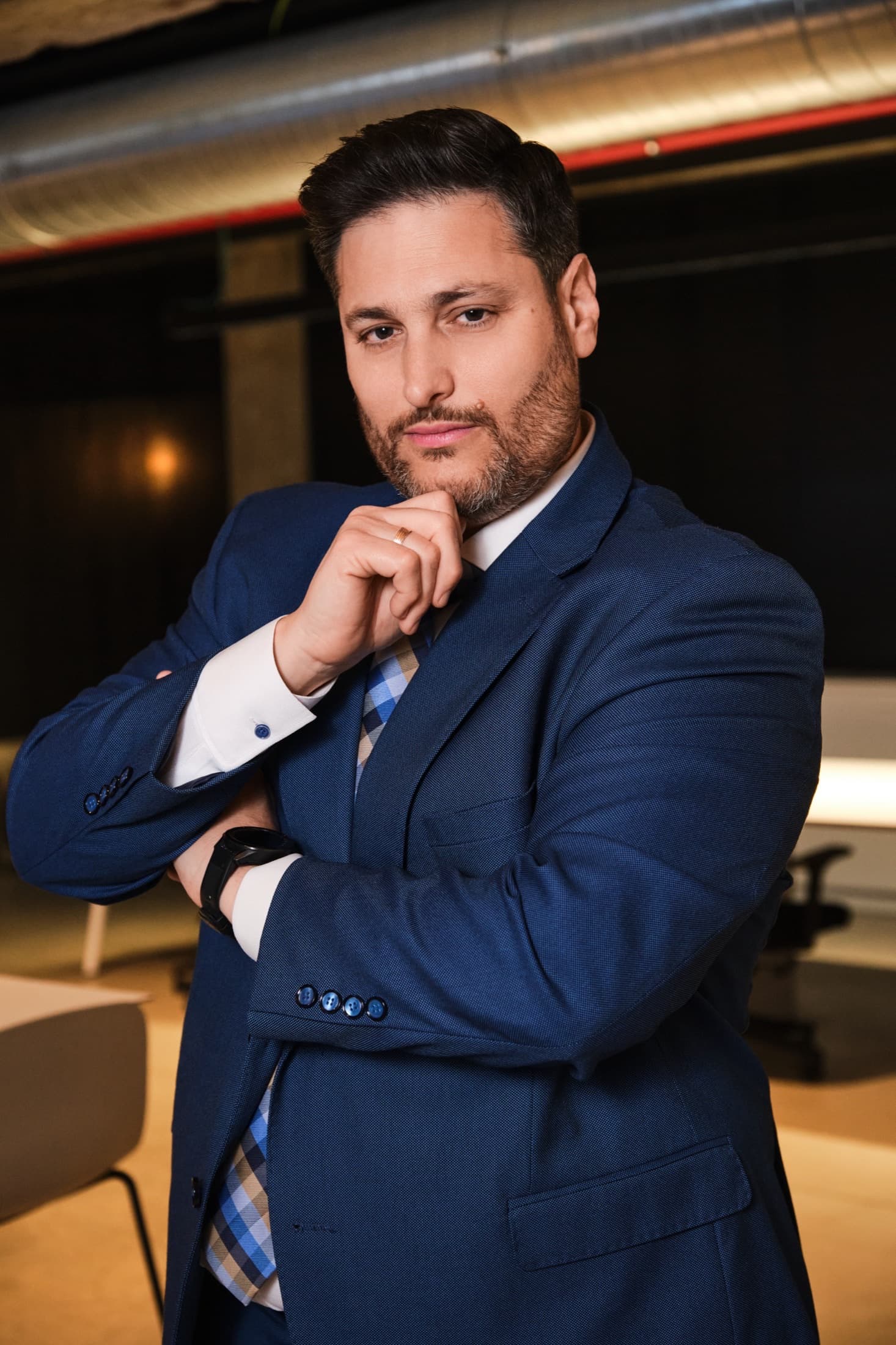
The first step is understanding what's really going on, where the risks are, and what the company should prioritise. Let's talk about your situation and figure out whether the 360° Assessment can help you regain control.
Confidential conversation · No commitment · Direct response from Iván Pinés